
Adult Day & Respite
Adult Day Programs: What a Trial Day Can Tell You
A trial day at an adult day program shows staffing, meals, activities, transport, and how your loved one settles in. Here is what to watch and ask.
Key takeaways
- A trial day lets your loved one test the program in real time: staff, meals, activities, and the ride home.
- Watch how staff greet people by name and how fast they answer a call for help.
- Note if activities match your loved one's skills and likes, not just the age group in the room.
- Ask what the day costs, what a health care day adds, and what help exists to pay.
- Ask how the program will reach you in the day if something goes wrong.
- One good day is a start. Ask about a trial week if the program allows it.
An adult day program gives a person care and company during the day, then sends them home at night. It can give a family caregiver a full work day, or a rest day, with peace of mind. Most programs will let your loved one spend a trial day before you sign up for a set schedule.
That trial day is worth more than a tour. A tour shows you the rooms. A trial day shows you the care. Your loved one eats the food, joins the groups, rides the van, and meets the staff who will be there each week. This guide lists what to watch on that day and what to ask when it ends. Our adult day and respite hub holds the rest of our guides on these programs.
The two kinds of programs
Adult day programs come in two main kinds. A social program centers on company, meals, games, music, and light exercise, with staff who watch over the group. An adult day health program adds health care on site: a nurse, help with medicines, therapy, and checks of blood pressure or blood sugar.
The kind you need depends on your loved one's health needs. A person who is sound in body but lonely may do well in a social program. A person who needs a nurse's eye each day needs the health program. Our guide to home care versus adult day sets the two main care routes side by side.
For cost planning, the CareScout 2025 cost of care survey puts the national median for adult day health care at $95 per day. That is a survey median for planning, not a quote. Your local program sets its own rate, and social programs often charge less. Ask the program for its own rate in writing.
What to watch during the day
- The welcome. Staff should greet your loved one by name, help them settle in, and pair them with a friendly face for the first hour.
- The room. Watch the staff to guest ratio in real life, not the one in the brochure. Watch how staff speak to guests: with patience, or with haste.
- The activities. Good programs offer more than a TV in the corner. Look for music, gentle exercise, games at more than one skill level, and quiet space for a person who needs rest.
- The meal. The food should fit your loved one's diet needs and be served with help for those who need it. Ask if snacks and drinks are offered through the day.
- Personal care. If your loved one needs help in the restroom or a change of clothes, watch that the help is prompt and private.
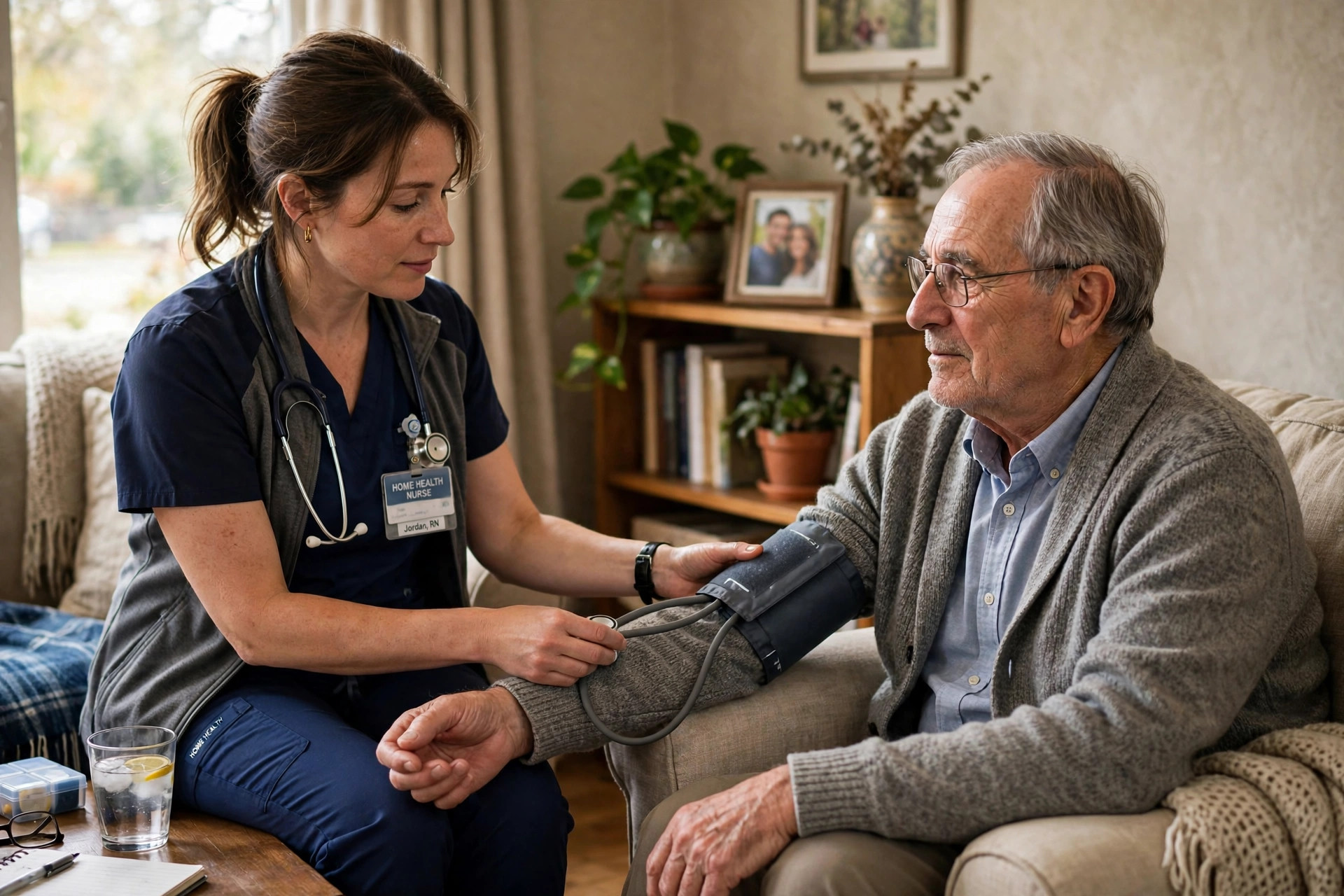
- The health side. In a health program, watch how medicines are given and stored, and ask who the nurse is and when she is on site.
The ride home tells you a lot
Transport is part of the day for most guests. Ask if the program runs its own vans or uses a transport service. Ask what time the pick-up and drop-off windows are, and how the driver helps a guest from the door to the van. On the trial day, note if the van came on time and if your loved one felt safe on the ride. A late van once is a small thing. A late van as a pattern will wear your family down fast.
Sample situation
Grace cares for her husband, Tom, who has early memory loss. Grace still works three days a week and has been paying a neighbor to sit with Tom. A friend tells her about an adult day health program near her job, and Grace books a trial day.
Staff greet Tom by name and sit him with two men who like cards. The nurse checks his blood pressure and gives his noon dose from the list Grace sent. Tom eats most of his lunch and joins a music hour. The van brings him home at the set time, and the driver walks him to the door.
That night Grace asks Tom how the day felt. He says the card game was good and the food was fine. Grace calls the program and books two days a week to start. The CareScout 2025 survey median for adult day health care is $95 per day, so Grace plans on about that level of cost until the program's own written rate confirms the exact charge for Tom's days.
Who pays for what
- Private pay: most families pay the program's daily rate from their own funds. This is the most common route.
- Medicaid: in many states, Medicaid can pay for adult day health care for a person who meets the state's income, asset, and care need tests. Rules and program names differ by state.
- Medicare: Original Medicare does not pay for adult day programs as a stand-alone service. One exception path is PACE, a joint Medicare and Medicaid program that wraps adult day health care into full care for those who qualify. Our guide to PACE versus traditional Medicare at home explains that route.
- Veterans benefits: the VA runs or funds adult day health care for some veterans. Ask the program and the VA if this may fit.
Questions to ask at the end of the trial day
- How did my loved one do today? Did they eat, join in, and rest well?
- Who do I call if my loved one is sick and will not come?
- What is the daily rate, and what does it cover? What costs extra?
- How much notice do you need to add or drop a day?
- What happens if my loved one needs more care than you can give here?
- Can we start with a short schedule and build up?
After the trial
Sit with your loved one that night and ask plain questions. Did you feel safe? Would you go back? Do not rush the choice if the first day felt off. Some people need two or three days to settle in. But trust what you saw. A program that greets with warmth, feeds well, and sends your loved one home calm is a program worth a real trial week.